Gilgit-Baltistan
Skardu Valley
The gateway to the Karakoram, Skardu offers turquoise lakes, cold deserts, ancient forts and access to K2 and the world’s highest peaks
- Region
- Gilgit-Baltistan
- Altitude
- 2,228 m
- Best time
- April – October (Deosai is open June – September)
Weather
Summers are mild and pleasant (15–28°C). Winters are cold and snowy, with temperatures often below freezing. Deosai stays snowbound until early summer
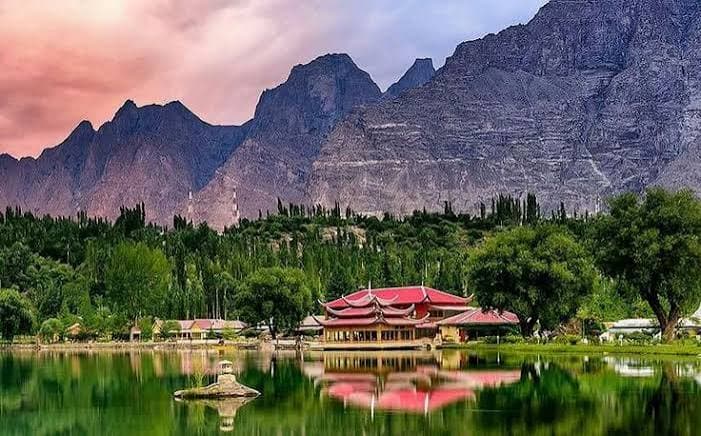
Skardu sits at the meeting point of the Indus and Shigar rivers, surrounded by some of the tallest mountains on Earth. It is the starting point for expeditions to K2, Broad Peak and the Baltoro Glacier, and a stunning destination in its own right Visitors can explore Shangrila Resort at Lower Kachura Lake, the Katpana Cold Desert, the 8th-century Shigar Fort and the high-altitude plains of Deosai National Park, known as the “Land of Giants”
Highlights
- ◆Shangrila Resort & Lower Kachura Lake
- ◆Upper Kachura Lake
- ◆Deosai National Park
- ◆Shigar Fort
- ◆Katpana Cold Desert
- ◆Manthokha Waterfall
How to reach
Fly Islamabad to Skardu (about 1 hour, weather dependent). By road, travel Islamabad – Karakoram Highway – Chilas – Skardu, roughly 20–24 hours, or take the Babusar route in summer
Questions
How many days are enough for Skardu?
4–6 days covers the main sights, and 7+ if you add Deosai and Shigar
Is Skardu safe for tourists?
Yes, it is one of Pakistan’s most visited northern destinations, with well-established hotels and tour operators
Can I fly to Skardu?
Yes, daily flights run from Islamabad, though they are often delayed or cancelled due to weather, so keep your schedule flexible